Dual-Channel Blood and infusion Warmer Introduction:
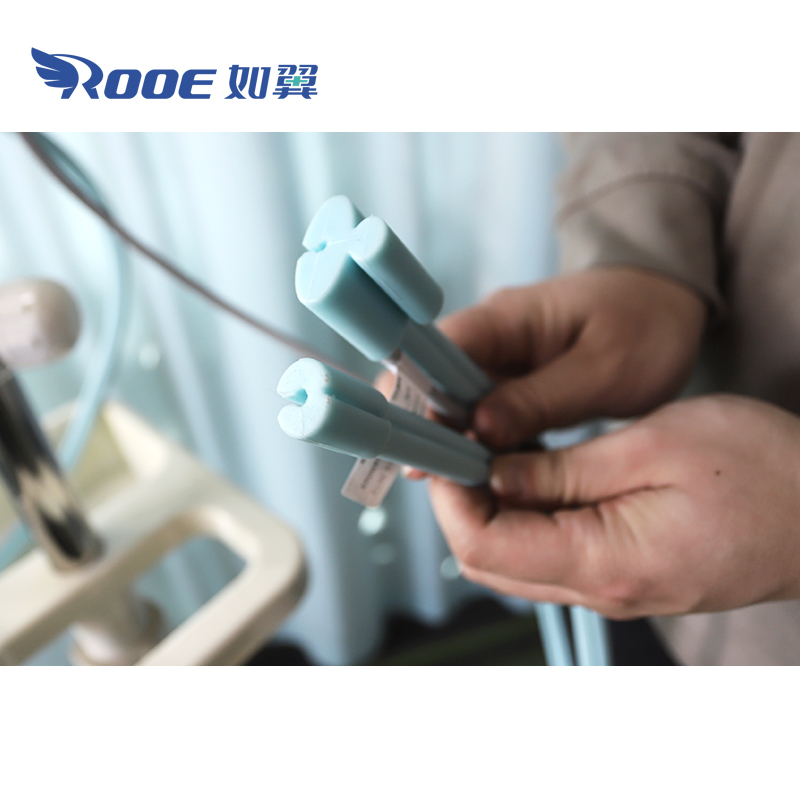
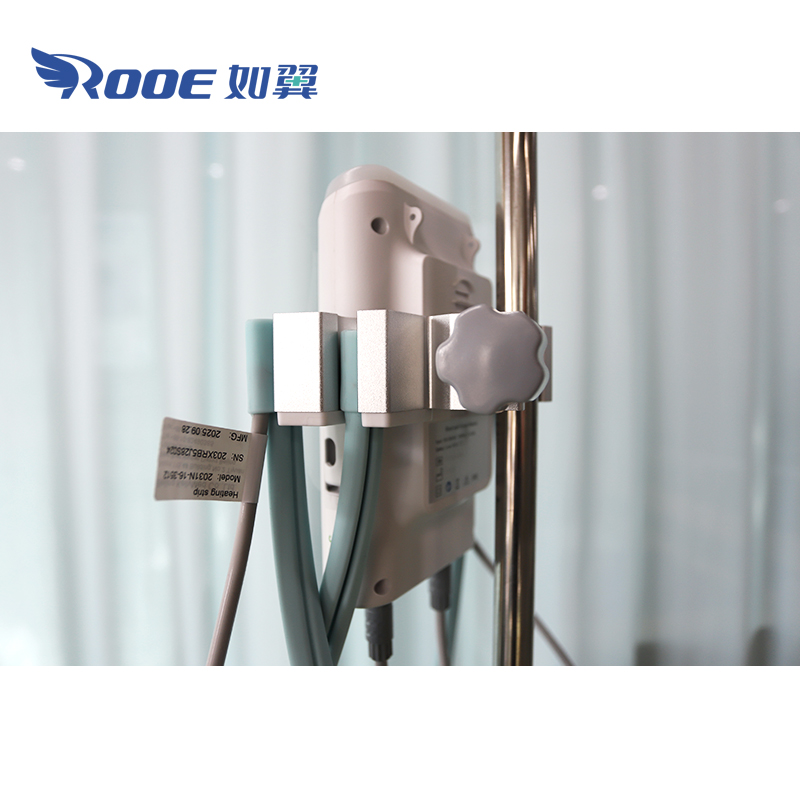
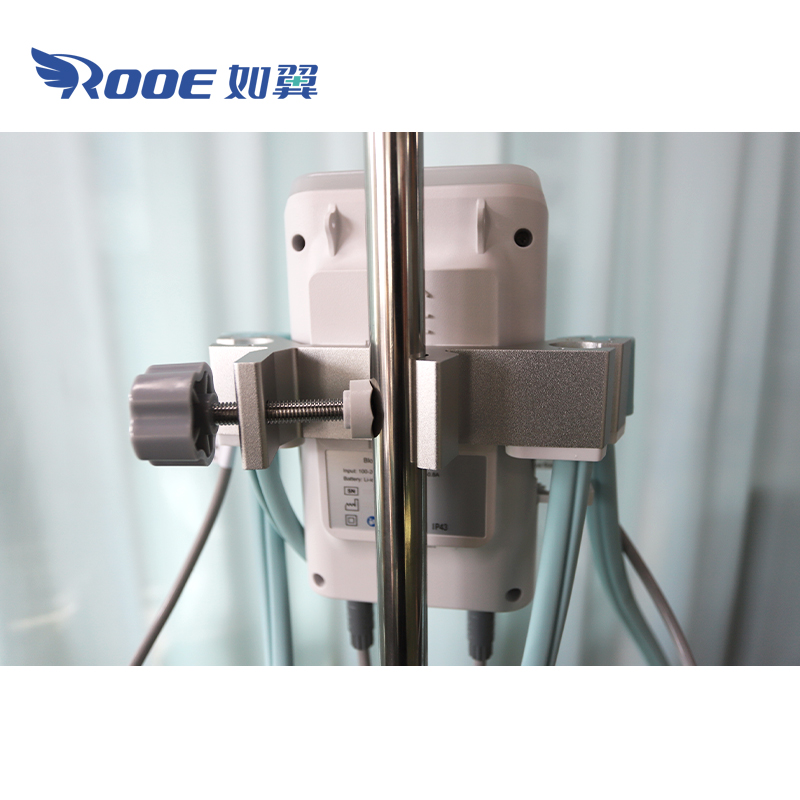
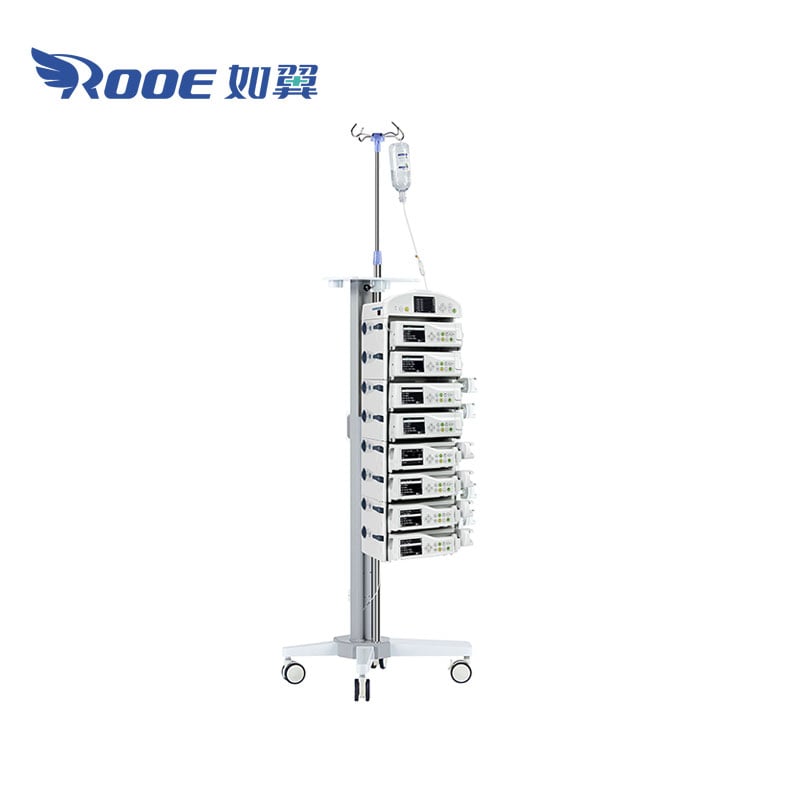
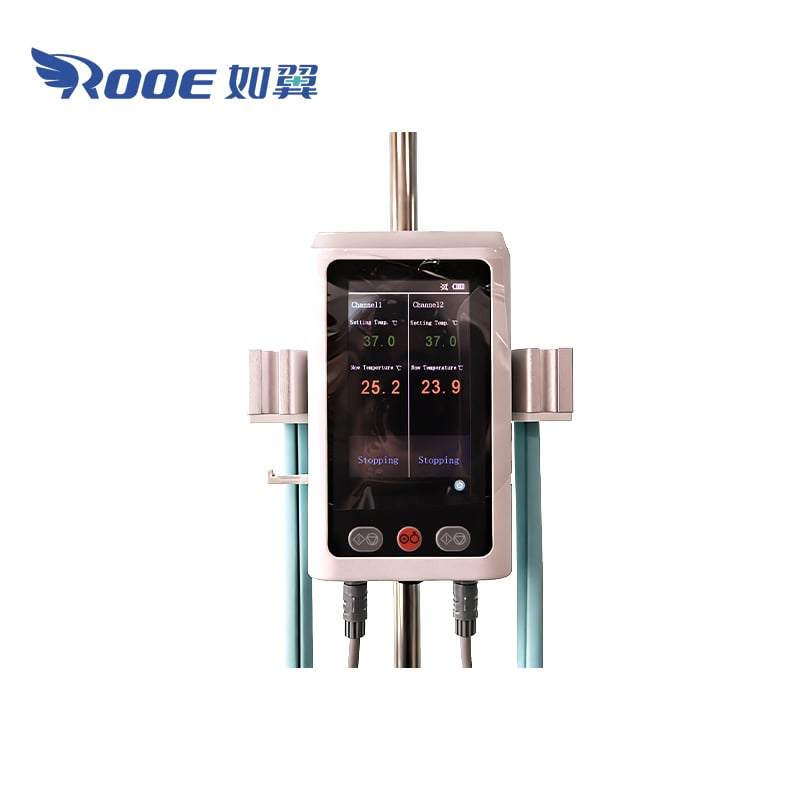
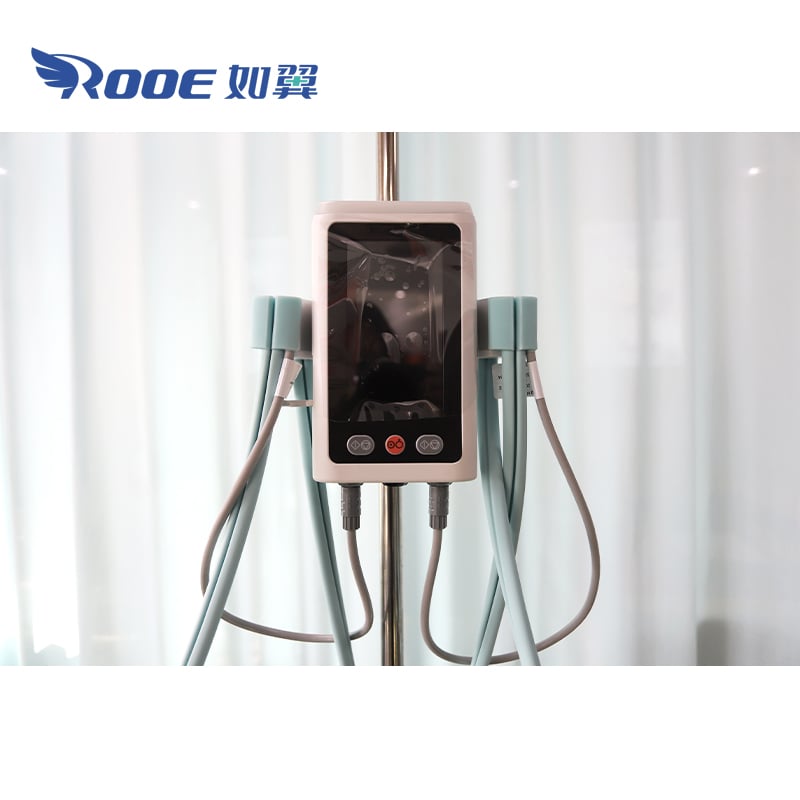
The dual-channel blood and infusion warmer is an intelligent warming device designed for blood transfusion, IV infusion, and enteral or parenteral nutrition therapy. Equipped with a 1.5-inch touchscreen and a precise microprocessor control system, the device provides real-time temperature monitoring and stable heating performance. It is widely used in emergency departments, operating rooms, ICUs, and infusion units, helping prevent hypothermia caused by cold infusions and ensuring safer and more effective clinical treatment.
Dual-Channel Blood and infusion Warmer Features:
1. Dual-Channel Design for Higher Efficiency
The device features two independent warming channels, allowing simultaneous warming of two different fluids or infusion lines. This meets the needs of busy clinical environments such as surgeries and emergency care.
2. Accurate Temperature Control (30–42°C, 0.1°C increments)
A built-in microprocessor delivers precise temperature regulation within a range of 30 to 42°C, adjustable in 0.1°C increments. This ensures stable and reliable warming without overheating or insufficient heating.
3. 1.5-Inch Touchscreen for Intuitive Operation
The compact and clear touchscreen interface displays real-time temperature, operating status, and alarm information, making it easy for clinicians to operate even in fast-paced environments.
4. Comprehensive Safety Alarm System
Multiple safety alarms ensure maximum protection during infusion, including:
-
Over-temperature alarm
-
Low-temperature alarm
-
Warmer malfunction alarm
-
Low battery alarm
These alarms help medical staff quickly identify abnormal conditions and maintain patient safety.
5. Real-Time Temperature Display & Automatic Power Switching
The device continuously monitors and displays the current temperature and supports automatic power switching to ensure uninterrupted warming during unexpected power changes.
6. Programmable Fluid Names and Temperature Ranges
Clinicians can set customized fluid types—such as blood, IV solutions, or enteral nutrition—and define the appropriate warming ranges, enhancing flexibility and clinical adaptability.


 Inquire