- Home
- Products
- One-stop Solution
- Setting Up An Operating Room
- A Guide to Labour Room Equipment
- What Equipment is Used For OB/GYN Exam Room?
- The Most Popular Medical Ward Furniture List
- Tactical Military Medical Supplies
- Neonatal Care Equipment:Neonatal Intensive Care Unit
- Essential ICU Equipment List For All Hospital
- Essential Equipment in For Every Veterinary Clinic
- Video
- WHY CHOOSE US
- News
- Contact Us
- Strive to Improve Medical Conditions, Reduce Health Care Costs.

Location
Zhangjiagang City, Jiangsu Province, China.
Email address
Phone
+86-512-58810663
What does modern medical equipment bring to patients?
Time:2025-02-25
With the continuous advancement of medical technology, medical equipment is not limited to improving treatment effects and medical efficiency. Patient experience has become an important consideration in equipment design. From diagnostic equipment to emergency equipment, innovative design aims to improve patient comfort, safety and treatment experience. This article will explore how to optimize medical equipment through innovative design, especially design improvements from the patient’s perspective.
1. Focus on patient comfort: innovation of electric wheelchairs and medical beds
In traditional medical equipment, patient comfort is often overlooked. However, with the increasing needs of patients, modern medical equipment pays more and more attention to the patient’s perspective. For example, the design of electric wheelchairs requires not only a powerful power system, but also the comfort, support and adjustability of the seat. Today’s electric wheelchairs adopt an ergonomic design and provide a variety of adjustment functions. The seat, backrest and armrest angles can be adjusted according to the patient’s needs, thereby reducing the discomfort caused by long-term use.
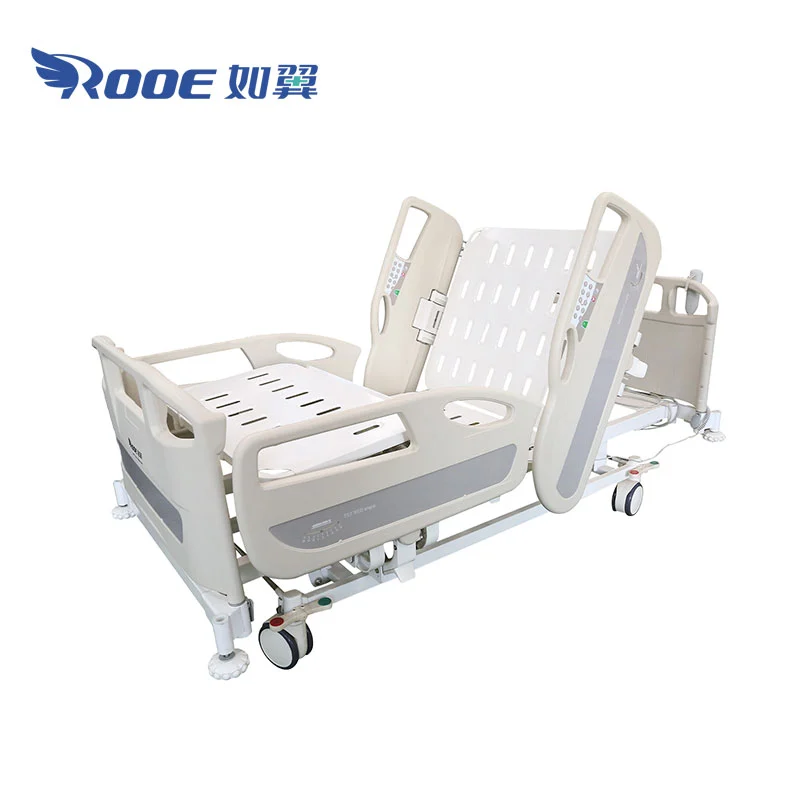
Similarly, the design of electric multi-functional ICU beds has also undergone major innovations. Modern ICU beds have a height-adjustable function, allowing medical staff to adjust the bed according to the patient’s condition, optimize the patient’s position, reduce the risk of pressure ulcers, and effectively improve the patient’s comfort. On these beds, patients can easily adjust themselves, avoiding the stiffness and inconvenience of traditional medical beds.
 |
|
BAE508 Adjustable CPR 5 Function Electric Hospital Bed With Remote Control |
2. Improving patient safety: the intelligence of electric ambulance stretchers
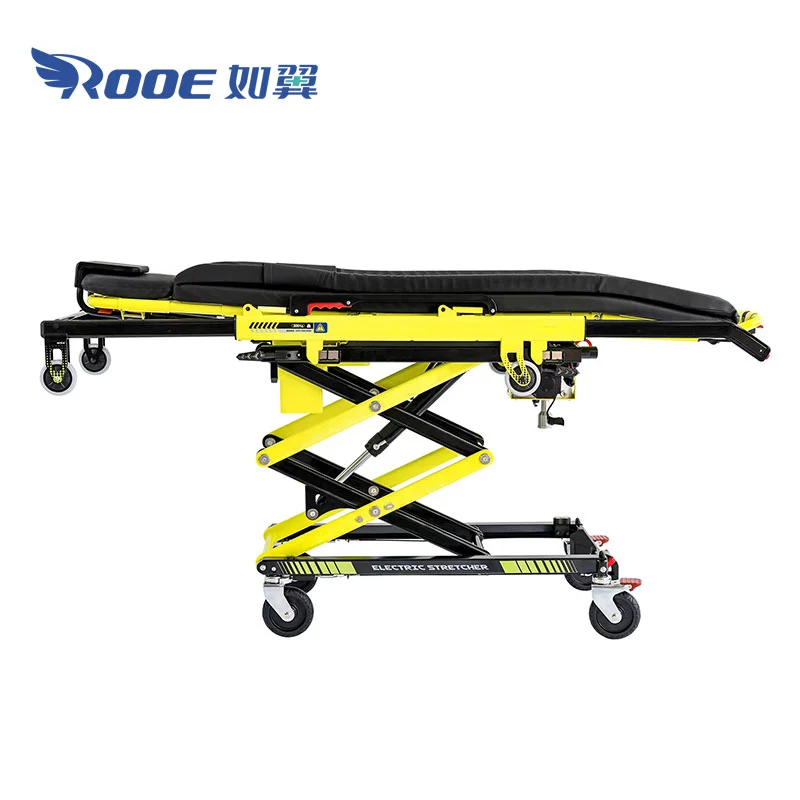
Equipment in medical rescue needs to be not only efficient, but also must focus on patient safety. In emergency situations, traditional stretchers often fail to fix patients well, which can easily cause secondary injuries to patients. The intelligent design of electric ambulance stretchers provides a safer and more comfortable patient transport experience by combining intelligent control systems and automation functions. The stretcher can adjust the patient’s position as needed through an electric lifting and adjustment system, which not only ensures the stability of the patient, but also reduces the burden on doctors and nurses, and reduces unnecessary movements during transportation, thereby reducing the risk to patients.
 |
|
EA-3AD Plus Power Load Stretcher Transportation Ambulance Bed |
3. Non-invasive treatment equipment: Optimizing patient rehabilitation experience
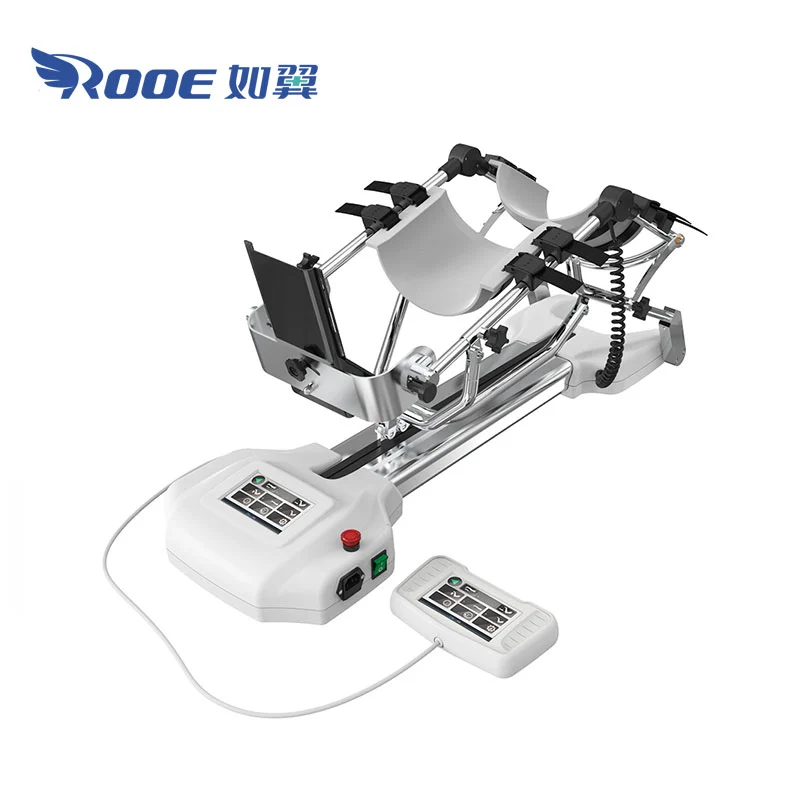
In recent years, with the development of non-invasive treatment technology, more and more equipment has put the patient’s rehabilitation experience first. Equipment like continuous passive motion (CPM) machines, which are specially designed to help patients rehabilitate joints without active movement, can greatly reduce joint stiffness caused by surgery or injuries. Non-invasive treatment equipment can avoid the pain caused by traditional rehabilitation techniques, while accelerating the rehabilitation process and helping patients resume normal activities faster.
 |
|
DCPM-F Touch Screen Hip Knee Ankle Cpm Rehabilitation Lower Limb CPM |
4. Actively respond to patient feedback: optimize design from the details
The innovation of medical equipment should not be limited to the functional level, but should pay more attention to the optimization of details during the use of the equipment. Many innovative products have begun to pay attention to the feedback of patients and medical staff and adjust the design regularly. For example, the design of bed sheets, armrests, and operation buttons is more in line with the usage habits of patients and medical staff. Whether it is a high-tech smart stretcher or an ordinary surgical light, the optimization of details can greatly improve the patient experience and reduce the complexity of medical operations.
The innovation of modern medical equipment is not only limited to the improvement of treatment effects, but also should optimize the comfort, safety and ease of operation of the equipment from the perspective of patients. From electric wheelchairs to smart stretchers, from non-invasive treatment equipment to multi-functional medical beds, design innovation pays more attention to the patient’s treatment experience while meeting clinical needs. Every advancement in medical equipment is a greater contribution to the health and comfortable life of patients.
Leave a Reply